Thirty-eight finalists have been announced for the 18th annual Gallipoli Art Prize, a privately funded prize auspiced by the Gallipoli Memorial Club in Sydney. It invites artists to respond openly to the broad themes of loyalty, respect, love of country, courage and comradeship, as expressed in the Gallipoli Club’s creed:
We believe that within the community there exists an obligation for all to preserve the special qualities of loyalty, respect, love of country, courage and comradeship which were personified by the heroes of the Gallipoli Campaign and bequeathed to all humanity as a foundation for perpetual peace and universal freedom.
“The Gallipoli Memorial Club’s creed evokes a compelling variety of responses from artists, making it a unique and important art competition that reflects deeply upon Australian identity, history and contemporary issues,” said John Robertson, President of the Gallipoli Memorial Club and one of the judges of the prize.
“Many artists look to the past for inspiration, but the creed emphasises that the obligation to preserve those special qualities exists within the community now. And that they lay the foundation for the future. One of perpetual peace and universal freedom.”
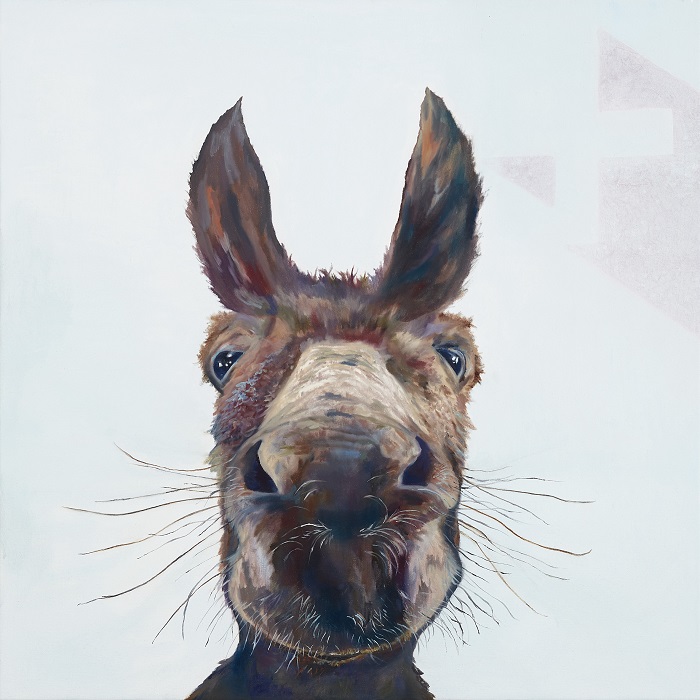
Jane Millington, Rescue, oil on canvas framed in Victorian ash, 81 × 81cm
Among the finalist works this year is Jane Millington’s painting Rescue depicting Private John Simpson’s donkey “from the perspective that a wounded soldier might first have seen him,” says Millington. Private John Simpson became famous for his work as a stretcher bearer at Gallipoli, using Duffy the donkey to help transport wounded men.
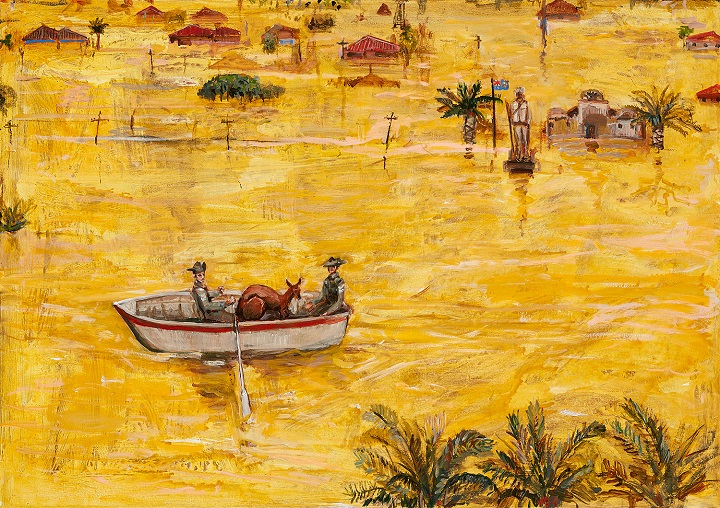
Geoff Harvey, Operation Flood Assist Lismore
While many works reference WWI, others depict more contemporary scenes and “heroes”, such as Geoff Harvey’s painting Operation Flood Assist Lismore depicting the Australian Defence Force helping rescue animals in the aftermath of Lismore’s devastating 2022 flood. Sarah Anthony’s painting Frontline depicts two sisters who worked tirelessly as nurses in the Emergency Department at Royal Melbourne Hospital during a surge in the Covid-19 pandemic.
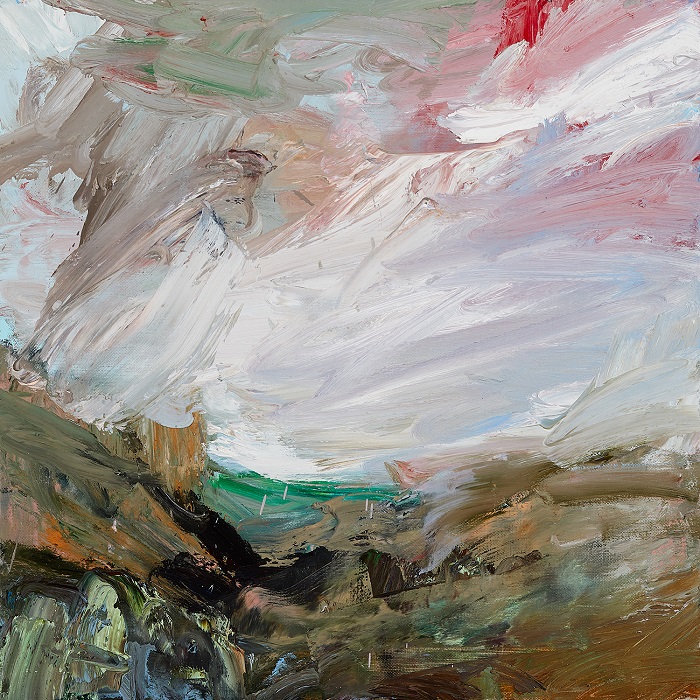
Tannya Harricks, The Last to Leave
Amongst the 2023 finalist works are powerful abstracts such as Anzac Cove Bombardments by painter and AFL legend Nicky Windmar, and The Last to Leave by Tannya Harricks. There’s also the realism of Mateship Endures by Claire Cusack and the graphic clarity of The War Correspondent Gallipoli by Peter Rush.
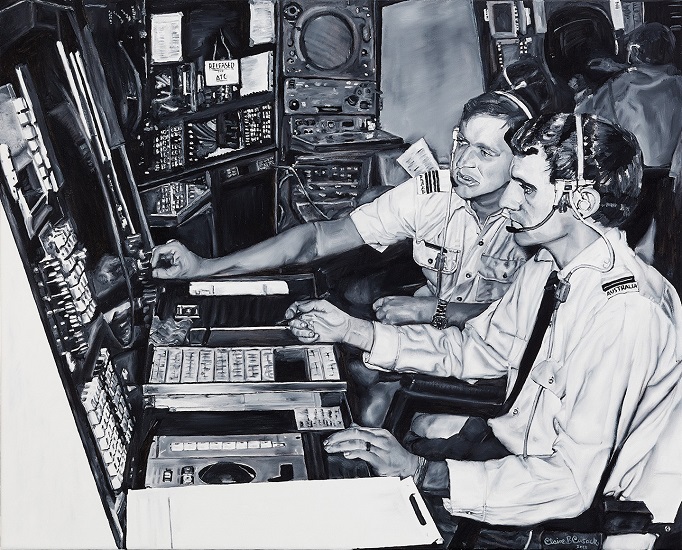
Claire Cusack, Mateship Endures
This year’s Prize features several landscapes, including If A Tree Could Talk depicting the Lone Pine in the full moon at Gallipoli, painted by Queensland artist and school teacher Jo-Ann Higgins, who every day walks past a lone Aleppo pine tree at the school’s entrance. The tree’s plaque reads that it was propagated from one of the seeds from Gallipoli’s Lone Pine.
The 2023 judging panel comprises Jane Watters, Barry Pearce, Elizabeth Fortescue and John Robertson. The winner of this year’s $20,000 Gallipoli Art Prize will be announced on Wednesday 19 April, in the lead up to Anzac Day, and the works will be on exhibition at 6–8 Atherden Street, The Rocks, Sydney, from 20 April to 14 May 2023.
View all 2022 Gallipoli Art Prize finalist works at gallipoliartprize.org.au.